Beyond the diva
Our programme highlights the women who shaped Handel’s world, from Isabella Leonarda to Elisabetta Gambarini, weaving their voices into a journey through his music across Italy and London.
Women Composers, Patronesses and Artists in Handel’s time
Our programme explores the stories of women connected to Handel and the broader context of his time. Despite the patriarchal setting, women were active in social, political, artistic, and cultural life.
Nocturnalia Ensemble presents an inclusive programme featuring sonatas for violin, cello, and harpsichord, following Handel’s life across Europe. The first part, Musical Contexts: Sonata Forms, pairs Isabella Leonarda—the first woman to publish violin compositions—with Telemann, influenced by Corelli’s Roman style.
Handel in Rome reflects his years in Italy (1706–1710) and his links to patroness Aurora Sanseverino, while Handel in London explores his connection with Elisabetta Gambarini, highlighting both Handel’s music for her and her own compositions.
Isabella Leonarda
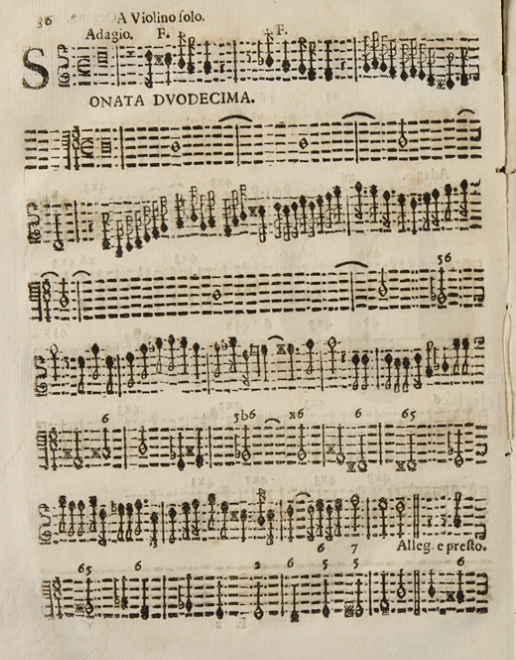
Sonata Duodecima, 10’
G. P. Telemann
Trio Sonata TWV 42:G7, 10’
G. A. Perti
Violin Sonata, 4’30’’
G. F. Handel
“Felicissima quest’alma”, HWV 122 (arr.), 3’
G. F. Handel
“Se m’ami, o caro” HWV 72/14 (arr.), 4’
Violin Sonata in D major, Op. 1 No. 13, 12’
Nocturnalia
Laura’s Lament (by Nocturnalia, 2025), 5’
Francesco Geminiani
Cello Sonata, H.104, Op. 5 No. 2, 9’
Harpsichord solos
G. F. Handel
Violin Sonata, Op. 1 No. 6, 7’
Elisabetta Gambarini
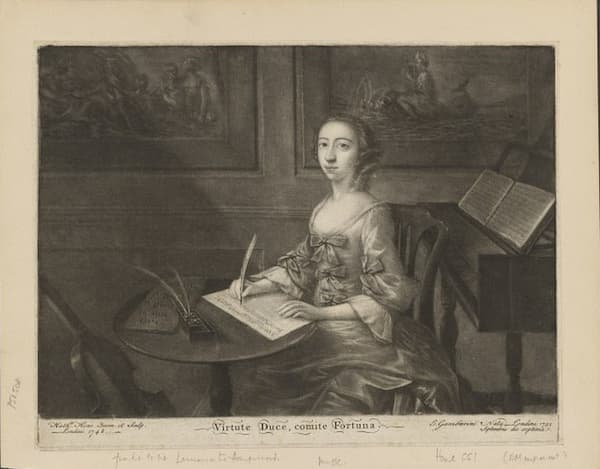
Andantino, “Se dir non lice al mio tesoro”, Op. 2 (c. 1748), 6’
Handel
“O liberty, thou choicest treasure” HWV 63 (arr.), 2’